Palliative Care and Pet Hospice
Palliative Care and Hospice Care for Pets
“Beyond Prognosis”
What do Palliative and Hospice Mean?

Gentle comfort massage supports a senior Boxer dog living with lung cancer, hip dysplasia, osteoarthritis, hypothyroidism, laryngeal paralysis, chronic vomiting and terminal adorableness.
Palliate (pronouced pal-ee-yate or pal-yate) means to alleviate symptoms without curing the underlying medical condition. Hospice is an extended, specialized form of palliative care that focuses on caring for patients in the end stages of their illness. Historically, hospice was a place people went to receive care for their ailments. (Hospice comes from the Latin meaning “to host.”) In modern times, hospice is a philosophy of care that addresses pain and other symptoms to achieve the best quality of life during the remaining time regardless of the disease outcome.
Reasons for Seeking Palliative or Hospice Care
- The family has made a decision not to seek curative treatment
- The illness diagnosed is life-limiting, or thought to be incurable
- A pet has symptoms of a chronic illness that interfere with their routine
- Curative treatment has failed
- A pet requires long-term intensive care
- A pet has a progressive illness or trauma with health complications
Traditional Chinese Veterinary Medicine (TCVM) philosophy matches Palliative and Hospice Care philosophy
- TCVM, palliative and hospice philosophy are holistic, comprehensive approaches to improving a pet’s quality of life
- They both approach a patient as an individual, on a case-by-case basis
- TCVM practitioners determine the disease pattern (Bian Zheng) and can treat the patient based on external evidence of pulse quality, tongue color and texture, muscle and connective tissue qualities, and the “light in their eyes.” (among many other observable qualities.) The pattern can be treated without ever knowing the scientific name of the disease.
- TCVM can be employed alongside Western medicine or instead of Western medicine. Whatever is best for the patient and the family.
Personal Skills and Talents of an Effective Palliative Care Provider

We support this Chihuahua through deformed knees, hip dysplasia, osteoarthritis, allergic dermatitis, dry eye, “end-stage” ossified ear canals and terminal cuteness — with gentle comfort care at home.
- Good listener
- Tolerant and patient
- Empathetic
- Good communicator
- Good leadership skills
- Good composure, remains calm
Care Starts with a Palliative and Hospice Care Consultation
A consultation with our team will consist of 5 main parts. The most important step, before we even get started, is your pet’s comfort. House calls allow your pet to relax in their home environment with their own sights and smells. We will evaluate your needs, beliefs and goals, and educate you about the disease process and/or the TCVM pattern to the level that you need to feel comfortable making decisions and caring for your pet. We will develop a personalized, written plan for the care of your pet. We will guide you through holistic therapies and teach you techniques you need to be successful caring for your pet. (Lifting down dog, pilling a cat, preparing homemade food, giving injections, massaging your pet, etc.) We provide emotional support during the care process and after the death of the pet.
Your Personalized Palliative and Hospice Care Plan
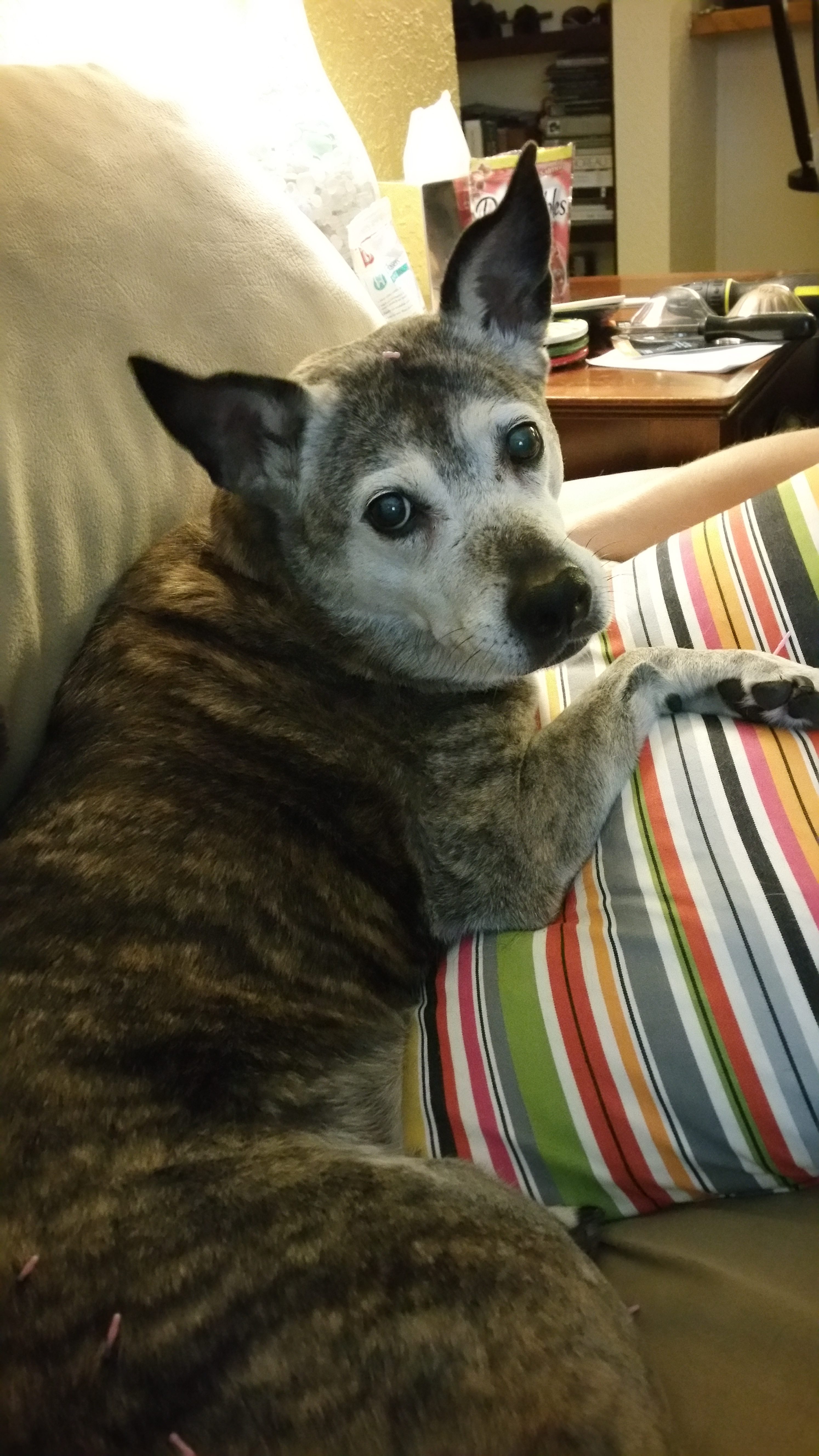
This Japanese Shiba gets treatment for hip dysplasia, osteoarthritis, flea allergies, lipomas, mast cell tumors, hypothyroidism and terminal lovability.
The plan will take into account your beliefs and desires and goals for your pet’s care. Our prime responsibility is to set up a plan that works for you, including helping organize a care team, if needed. Your plan should:
- meet your needs and beliefs about pet care
- meet the needs of your pet
- include options for 24-hour care
- include quality of life and pain assessments
- treat pattern or underlying problems
- address behavior changes
- suggest activity and home modifications
- review nutrition
- explore Western medical options, Integrative options and physical medicine support
- prepare for death
Text, email or call to schedule an appointment. If you are uncertain if an appointment is right for you, consider your available time, money and physical resources to get an idea if you can use a palliative and hospice care plan to its full potential.
Phone/Text (813) 816-1759, or email JLaw@VetVmd.com
Jesse Cohen, CCRVA, CTCVMFT — Founder, Ancient Law Pet Wellness
Holistic care, TCVM & rehabilitation support | Care provided in your home!
Greater Tampa Bay, Florida, USA
Call/Text (813) 816-1759 | Phone/Fax (844) 787-3838
